Silicone vs PVC: What the Difference Means for Dive Gear
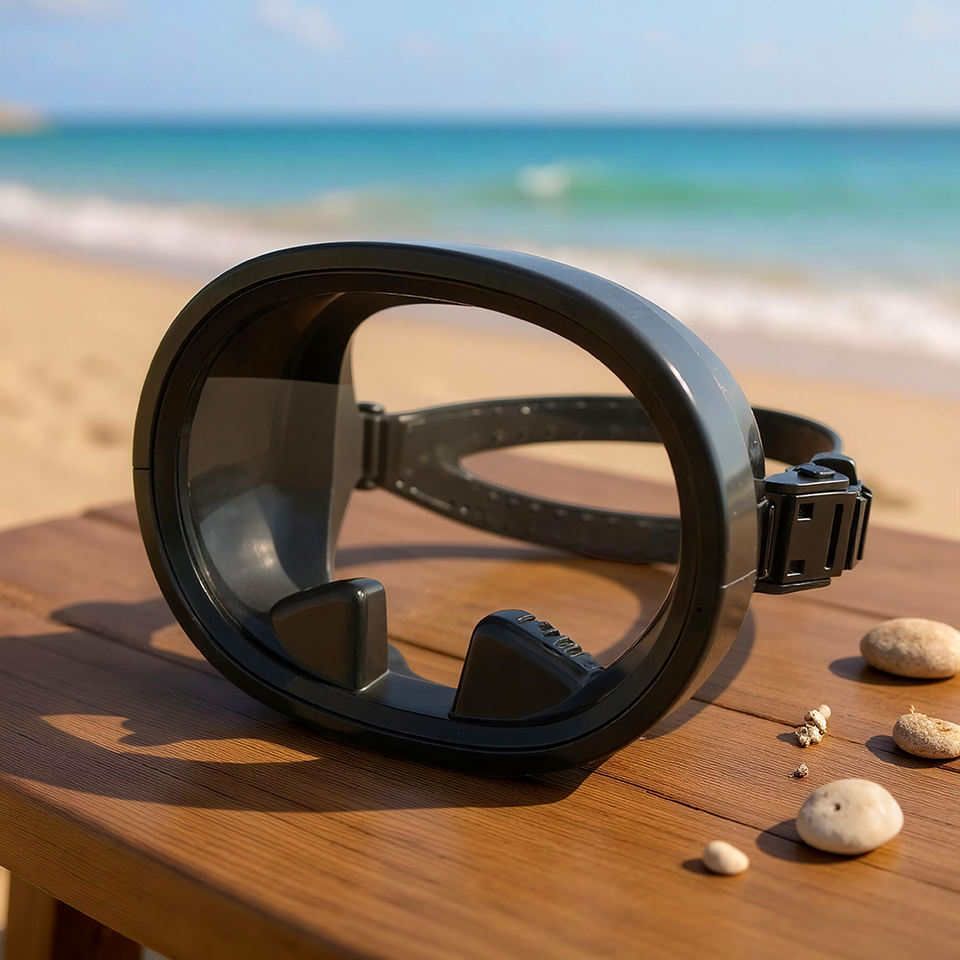
Two masks can look identical on a shelf and behave very differently in the water. Most of the time, the difference is the skirt and mouthpiece material: silicone or PVC. Here is how they compare.
Comfort and seal
Silicone is noticeably softer and more elastic, so it moulds to different face shapes and seals with less strap pressure. PVC is firmer; it seals well on the right face but is less forgiving of the wrong one.
Durability
Silicone resists UV, salt water and temperature swings, and it does not harden with age. A silicone skirt can stay supple for many seasons. PVC gradually stiffens and can crack, especially after long sun exposure, which is why it is usually found on entry-level and rental gear that is replaced on a cycle.
Hygiene
For mouthpieces, food-grade silicone is the standard recommendation. It tolerates repeated cleaning, does not pick up odours as easily, and stays comfortable on long sessions. This is one reason better snorkels and masks use silicone for every part that touches skin.
Where each one makes sense
Choose silicone for retail customers who dive or snorkel regularly and expect the gear to last. Choose PVC where price is the deciding factor, such as promotional sets and high-turnover rental fleets. Knowing which customer you are serving makes the material choice an easy one.