Dry, Semi-Dry or Wet Snorkel: How to Choose
All snorkels move air between the surface and the swimmer, but the top valve design changes the experience completely. Here is the simple way to explain the three types to your customers.
Wet snorkel: the classic tube
A wet snorkel is an open J-shaped tube with no valves. It is light, has almost no breathing resistance, and there is nothing to break. The trade-off is that waves and splashes go straight in, so the swimmer clears it with a sharp blast of air. Experienced snorkelers and freedivers often prefer this simplicity, especially flexible models that hang out of the way during a dive.
Semi-dry: the splash guard
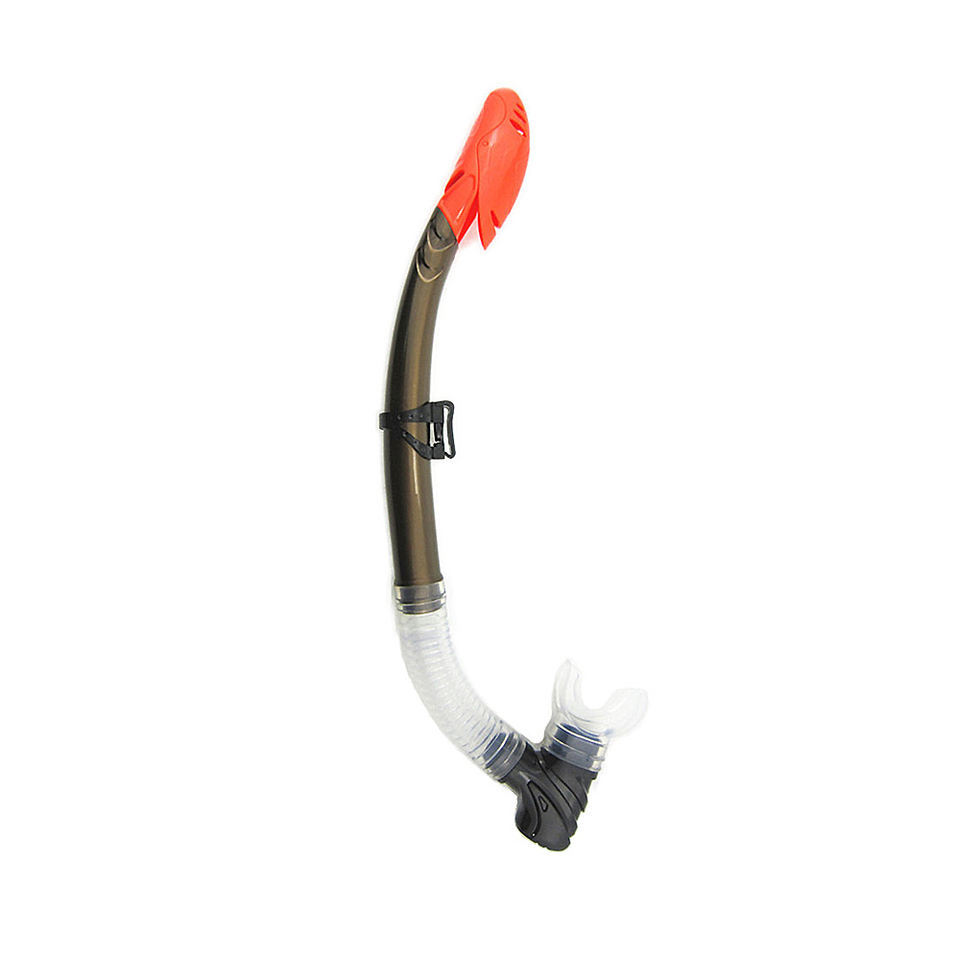
A semi-dry snorkel adds a shield or deflector over the top opening. It blocks most surface splash while keeping the airway open, so breathing stays easy. It is the middle ground most recreational snorkelers are happiest with.
Dry: the float valve
A dry snorkel has a float mechanism that seals the top when a wave washes over or the swimmer dips under. Beginners love it because the tube stays dry and there is little to clear. Many dry models also add a purge valve at the bottom, so any water that does get in drains out with a gentle exhale instead of a strong blast.
Details that matter
Look for a soft silicone mouthpiece, a flexible lower section that drops away from the face when a regulator goes in, and a quick-release mask keeper. For tour operators and rental fleets, dry snorkels with purge valves cut instruction time dramatically. For freediving customers, keep a simple flexible wet snorkel in stock.