Low-Volume Freediving Masks: What to Look For
Freediving keeps growing, and the mask is the one piece of gear freedivers argue about most. At DEMA Show 2026 in New Orleans this November, several major brands previewed new low-volume masks for the 2027 season — JBL showed its Moth mask, and Cressi previewed the Panorama and Maori. The direction is clear: lower internal volume, better anti-fog, and easier equalisation. If you buy masks for a dive shop, school or rental fleet, here is what to compare.
Why low volume matters
A low-volume mask holds less air between the lens and the face. On descent, the diver has to equalise that air space through the nose — the less air there is, the less effort and air it takes, which matters most below 10 metres. Lenses that sit closer to the eyes also give a wider, less distorted field of view, and a smaller mask creates less drag when duck-diving.
Six things to check when sourcing
1. Internal volume and fit range. Low volume only helps if the skirt still seals. Look for skirt shapes that fit a wide range of faces — some new designs claim a fit for around 85% of face shapes.
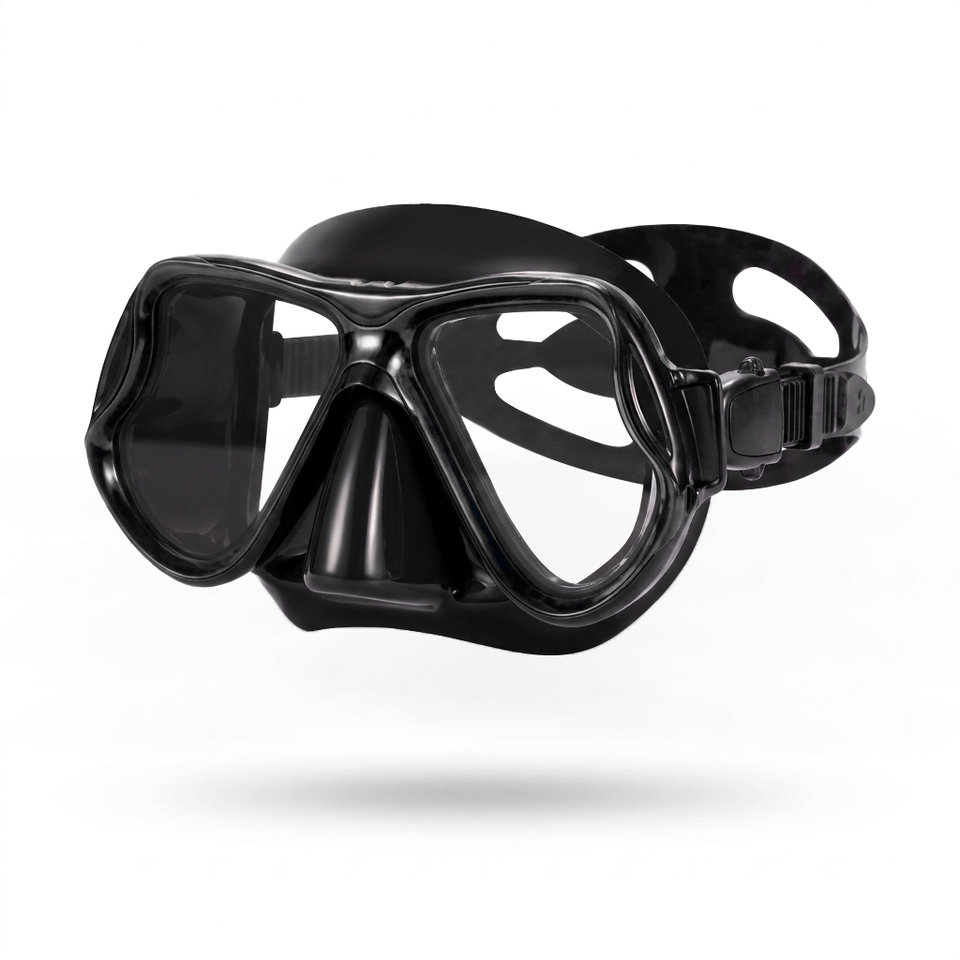
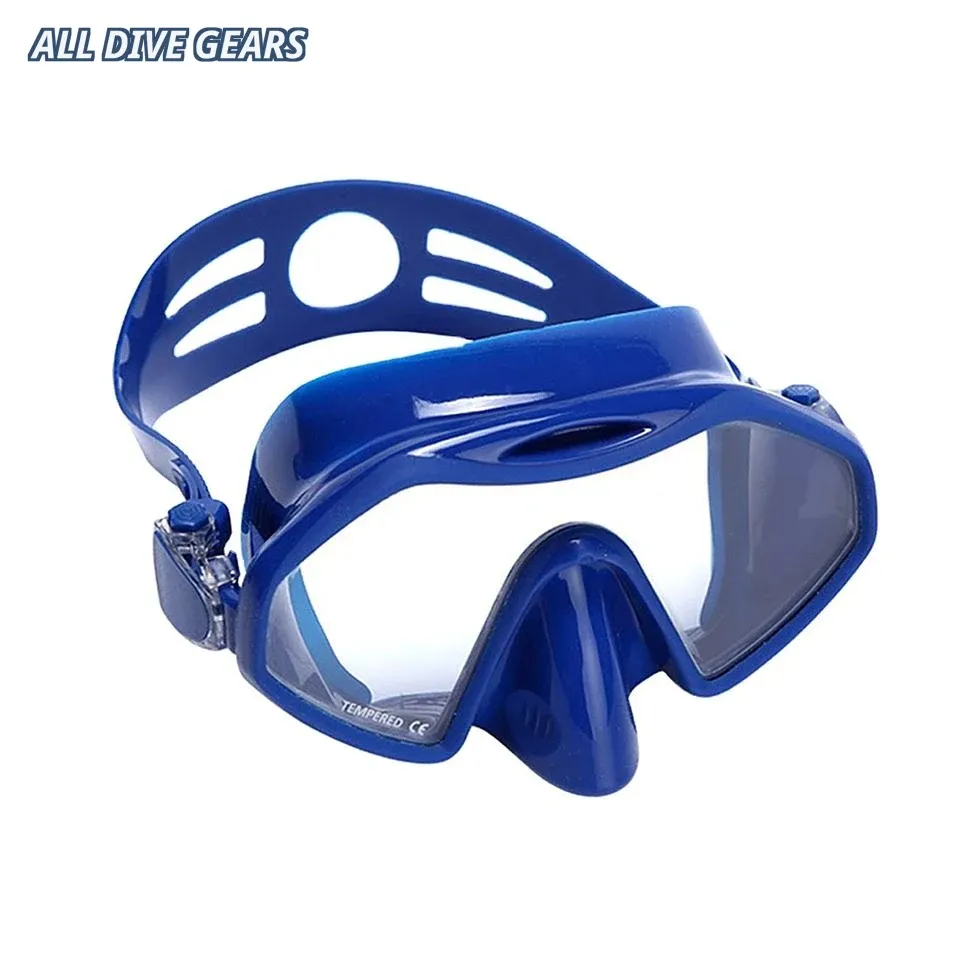
2. Lens position and material. Tempered glass lenses set close to the eyes are the standard to look for. Frameless designs with integrated side windows widen peripheral vision; classic framed designs are usually cheaper to produce and replace.
3. Skirt material. Liquid silicone skirts are softer, seal better and are hypoallergenic compared with cheaper PVC or basic silicone — worth the small price difference for freediving customers.
4. Nose pocket. Equalising means pinching the nose, often with gloves on. A soft, textured or articulated nose pocket makes this noticeably easier, especially in cold water.
5. Anti-fog approach. Fogging is the top complaint with new masks. Brands now use factory anti-fog treatments, and some new designs add structural ideas — channels in the skirt that cool exhaled air before it reaches the lens. Whatever the claim, test samples in the water before committing to a large order.
6. Spare parts and repairability. Straps and buckles are what actually break. Suppliers who stock spare straps, buckles and lenses save you returns and angry customers later — ask before you order, not after.
The short version
For 2027 ranges, prioritise genuinely low internal volume, tempered glass close to the eyes, a liquid silicone skirt, a glove-friendly nose pocket and a supplier who can provide spare parts. Anti-fog technology is improving fast, but sample testing is still the only proof.
We stock 41 low-volume freediving masks across frameless, framed and mirrored styles — browse the range here: low-volume freediving masks. Samples are available, and we reply to enquiries within one business day.